
Welcome to the Cnidaria subsite on Invertebrate Paleontology!
Please enter a genera name to retrieve more information.

Burgundia
Classification
Phylum:
Cnidaria
Class:
Hydrozoa
Order:
Stromatoporoidea
Family:
Clathrodictyidae
Formal Genus Name and Reference:
Burgundia Chalmas in DEHORNE, 1915
Type Species:
B. trinorchii
Images
(Click to enlarge in a new window)
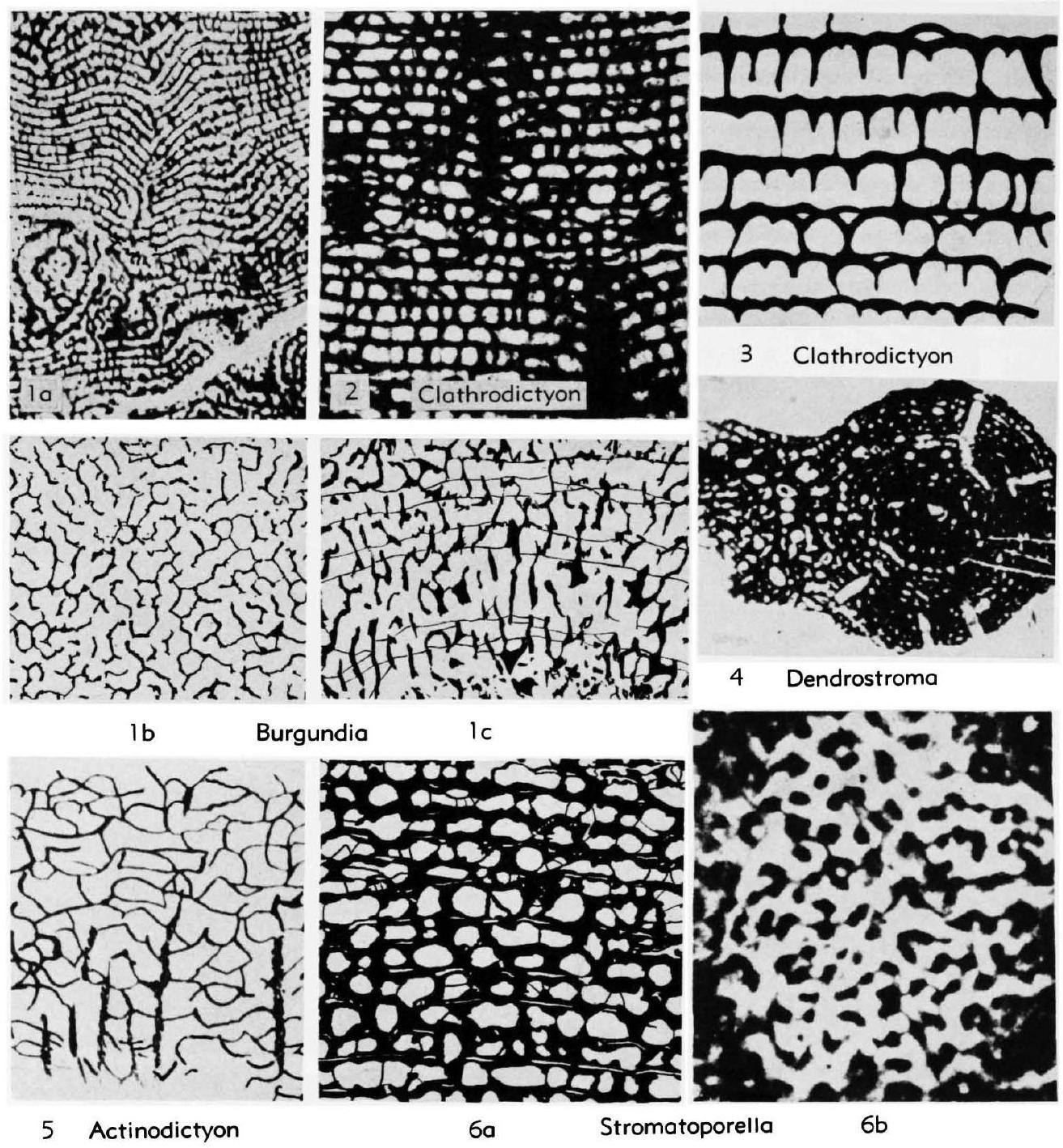 Fig. 105,1. *B. trinorchii U.Jur., Fr.; 1a,b, long. and tang. secs., X3; 1c, long. sec., X12 (49n).
Synonyms
Geographic Distribution
Eu.-Afr.-Asia
Age Range
Beginning Stage in Treatise Usage:
Jur.
Beginning International Stage:
Hettangian
Fraction Up In Beginning Stage:
0
Beginning Date:
201.36
Ending Stage in Treatise Usage:
Jur.
Ending International Stage:
Tithonian
Fraction Up In Ending Stage:
100
Ending Date:
143.1
Description
Growth form laminar, spheroidal, domed, or irregular, with surface marked by mamelons, predominant are well-defined continuous lamellae, more or less wavy and separated from one another in different specimens or parts of the same colony, or partly lenticular; pillars mosdy short and straight, bifurcate at top or expanded at one or both extremities, restricted to a single interlamellar space; some pillars long and crooked, unbranched or branched to anastomosing, not restricted to a single interlamellar space; these two types may alternate zonally. Astrorhizae large, in vertical systems with branches abrupdy terminated in interlamellar spaces. Lamellae in tangential sections show well-marked reticulate or meandriform structures. Skeletal elements compact, microcrystalline, or granular; a dark or clear filiform axis may be recognized in lamellae and rarely in pillars (6). [This genus is closely allied to forms of Clathrodictyon having well-differentiated skeletal elements; it is distinguished by pardy disordered, branched or anastomosed pillars extending through 2 or more lamellae. So-called zooidal tubes noted by some authors, which rarely occur in sections, seemingly are parts of astrorhizae]
References
Dehorne, Y., 1915, Sur un actinostromidé du Cénomanien: Comptes rendus Acad. Sci. Paris, v. 161, p. 733-735.
Museum or Author Information
Classification
Phylum:
Cnidaria
Class:
Hydrozoa
Order:
Stromatoporoidea
Family:
Clathrodictyidae
Formal Genus Name and Reference:
Burgundia Chalmas in DEHORNE, 1915
Type Species:
B. trinorchii
Images
(Click to enlarge in a new window)
Fig. 105,1. *B. trinorchii U.Jur., Fr.; 1a,b, long. and tang. secs., X3; 1c, long. sec., X12 (49n).
Synonyms
Geographic Distribution
Eu.-Afr.-Asia
Age Range
Beginning Stage in Treatise Usage:
Jur.
Beginning International Stage:
Hettangian
Fraction Up In Beginning Stage:
0
Beginning Date:
201.36
Ending Stage in Treatise Usage:
Jur.
Ending International Stage:
Tithonian
Fraction Up In Ending Stage:
100
Ending Date:
143.1
Description
Growth form laminar, spheroidal, domed, or irregular, with surface marked by mamelons, predominant are well-defined continuous lamellae, more or less wavy and separated from one another in different specimens or parts of the same colony, or partly lenticular; pillars mosdy short and straight, bifurcate at top or expanded at one or both extremities, restricted to a single interlamellar space; some pillars long and crooked, unbranched or branched to anastomosing, not restricted to a single interlamellar space; these two types may alternate zonally. Astrorhizae large, in vertical systems with branches abrupdy terminated in interlamellar spaces. Lamellae in tangential sections show well-marked reticulate or meandriform structures. Skeletal elements compact, microcrystalline, or granular; a dark or clear filiform axis may be recognized in lamellae and rarely in pillars (6). [This genus is closely allied to forms of Clathrodictyon having well-differentiated skeletal elements; it is distinguished by pardy disordered, branched or anastomosed pillars extending through 2 or more lamellae. So-called zooidal tubes noted by some authors, which rarely occur in sections, seemingly are parts of astrorhizae]
References
Dehorne, Y., 1915, Sur un actinostromidé du Cénomanien: Comptes rendus Acad. Sci. Paris, v. 161, p. 733-735.